
Understanding the ins and outs of car delivery can help buyers avoid common pitfalls and ensure a smooth purchase experience.
Published Date:
18 nov. 2025
Last Updated:
18 nov. 2025
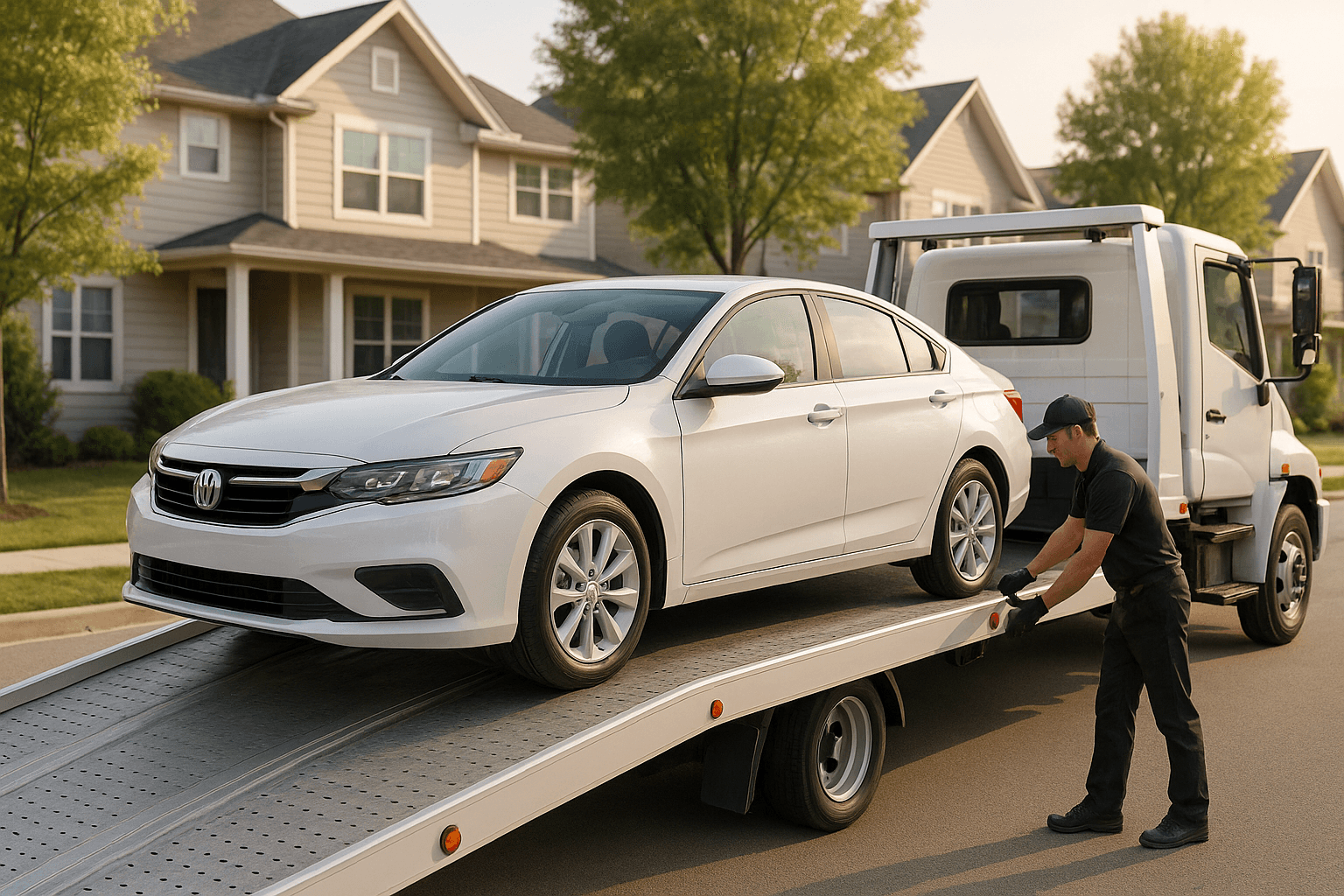
Coordinating Car Delivery: What Buyers Need to Know
Buying a car online and having it delivered to your door is becoming the new normal. Over the past two years, online car sales and delivery services in the U.S. have grown by more than 30%, driven by the convenience of skipping the dealership. But while home car delivery saves time and simplifies the process, it also comes with challenges like scheduling issues, delivery fees, and potential vehicle damage during transit.
Here’s what you need to know:
Common Problems: Delivery delays, rural location surcharges, paperwork errors, and vehicle condition issues.
Costs: Delivery fees range from $300 to $1,500+, depending on distance and transport type (open or enclosed).
How to Avoid Issues: Communicate with the dealership early, confirm fees and insurance coverage, and inspect the car thoroughly upon delivery.
My Top 15 Tips For Having a Successful Auto Transport
Common Car Delivery Problems
While home delivery of vehicles offers plenty of convenience, it’s not without its challenges. These potential hurdles can quickly turn what should be a smooth process into a frustrating experience. Understanding these common issues beforehand can help you prepare and sidestep unnecessary headaches.
Scheduling and Timing Issues
One of the biggest frustrations with car delivery is the limited availability of delivery windows. Many dealerships only deliver during regular business hours, which can be inconvenient if you’re unavailable to sign for the vehicle. This often leads to rescheduling and further delays. In fact, during peak seasons, around 30% of customers face delays due to high demand and logistical bottlenecks [2][6]. Such delays can force you to find temporary transportation or disrupt your daily routine.
Delivery Location Limits
Living in a rural or remote area can add another layer of complexity. Many dealerships place restrictions on deliveries to out-of-the-way locations and may charge additional fees ranging from $100 to $500 [3][6]. For instance, someone in a remote part of Montana could face significantly higher delivery costs compared to a buyer in an urban area [3]. On top of that, scheduling options for remote locations are often limited, making the process even more challenging.
Paperwork and Document Problems
Paperwork errors are another common snag in the delivery process. Issues like incomplete e-signatures, missing documents, or mistakes in the title transfer are frequent culprits [4][6]. For example, a missing lien release or an incorrect address on the title can lead to lengthy back-and-forth communications with the dealership, potentially delaying the process for weeks [4]. Additionally, state-specific registration requirements can complicate matters further, leaving you without the proper documentation to legally drive your new car if errors occur.
Vehicle Condition Issues
Damage during transit is an unfortunate reality for about 5% of shipped vehicles, particularly those transported via open carriers, which are more prone to damage than enclosed ones [5][6]. Cars may arrive with scratches, dents, or even undisclosed mechanical issues. For instance, if a vehicle shows up with a cracked windshield or other unexpected damage, you should refuse to accept it until the issue is resolved [4]. There’s also the risk of mismatched expectations - where the vehicle delivered doesn’t align with what was advertised. These discrepancies can range from minor cosmetic flaws to serious mechanical problems [4][5].
Trade-In Vehicle Timing
Coordinating the pickup of your trade-in vehicle alongside the delivery of your new car can be tricky. Poor timing might leave you scrambling for temporary storage for your trade-in or alternative transportation [4]. Additionally, if there’s a delay between your trade-in appraisal and its actual pickup, any added mileage or damage during that period could reduce its value [4]. In some cases, miscommunication or poor planning might result in you being stuck with both vehicles - or worse, neither [6].
The silver lining is that most of these problems can be avoided with proper planning and clear communication. Taking proactive steps, as discussed in the solutions section, can help ensure a smoother delivery experience.
How to Fix Car Delivery Problems
Dealing with car delivery issues might seem daunting, but most of them can be avoided with some planning and clear communication. By staying proactive and informed, you can sidestep unnecessary stress, delays, or costs. Here’s how to handle the most common challenges.
Talk to the Dealership Early
Start the conversation about delivery options as soon as you begin shopping for your vehicle. Early discussions help clarify methods, costs, and scheduling, reducing the chances of surprises later on [2][7]. Some dealerships may offer complimentary home delivery within a certain radius, while others charge based on distance or urgency.
When contacting the dealership, ask specific questions about their delivery process. For example:
What delivery methods do they offer?
Are there additional fees, and how are they calculated?
What is their standard delivery area, and do they deliver on weekends or evenings?
This is also a good time to find out how far in advance you need to schedule delivery. Open communication at this stage ensures smoother coordination.
"Maintained frequent updates with me and made me feel very safe and comfortable." - Courtney
Look for dealerships that prioritize consistent communication throughout the process. Sales representatives who provide clear timelines for approvals and delivery scheduling can help prevent misunderstandings.
Once delivery options are clear, dive into the details of fees and insurance to avoid unexpected costs.
Check Delivery Fees and Insurance
Before you finalize your purchase, make sure you understand the delivery fees. These can range anywhere from $300 to $1,500 or more, depending on the specifics [6][9].
Don’t overlook transit insurance. Confirm whether the dealership’s insurance covers the car until it reaches you, and ask about the claims process in case of damage during transit.
elivery Method | Cost Range | Protection Level | Best For |
|---|---|---|---|
Open Transport | $300–$1,000 | Standard | Most used cars, short to medium distances |
Enclosed Transport | $600–$1,500+ | High | Luxury, classic, or high-value vehicles |
Enclosed transport offers more protection from weather and road debris but typically costs 30–50% more than open transport. It’s a worthwhile option for high-value or specialty vehicles.
Use Online Tools for Documents and Financing
Digital tools can make the paperwork process a breeze. Many dealerships now offer platforms where you can complete documentation, verify your identity, and arrange financing - all from the comfort of your home [8].
For example, services like Hello Motors allow buyers to upload required documents, apply for financing, and manage everything digitally. Submitting documents early and double-checking for accuracy can prevent delays.
Get Ready for Delivery Day
Once your paperwork is squared away, it’s time to prepare for the big day. Ensure your delivery location is accessible for the transport vehicle. Clear any potential obstacles, such as low-hanging branches, narrow driveways, or parked cars, to make room for large carriers [2].
Be available during the scheduled delivery window, as your signature is usually required. If you can’t be present, arrange for someone you trust to receive the vehicle and handle any necessary paperwork.
"Within days, I had my truck delivered to my doorstep!" - Dan Mathieson
To stay on top of things, use real-time tracking and automated notifications if the dealership offers these features. They’ll help you monitor your car’s progress and adjust your schedule as needed [2][8].
Check the Vehicle and Handle Problems
Once your car arrives, inspect it thoroughly. Check the exterior, interior, and odometer for any discrepancies [8]. Look for scratches, dents, or other issues that may not have been disclosed during the sale.
If you spot any problems, document them with photos and notes. Contact the dealership immediately to report your concerns. Don’t sign the final delivery paperwork until you’re completely satisfied with the car’s condition.
"Buying a car has never been so stress-free knowing he was literally on top of everything." - Jordan Burke-Wynne
If the vehicle doesn’t meet your expectations, refuse delivery until the issues are resolved. Addressing concerns upfront can save you from headaches with repairs or warranty claims down the road.
Steps for Home Car Delivery
Now that we've tackled some common delivery challenges, let’s dive into the process of getting a car delivered right to your doorstep. These steps will guide you through the process, ensuring a smooth and straightforward experience.
Choose a Dealership That Offers Home Delivery
Not all dealerships provide home delivery, so this should be one of the first things you check when shopping for a car. Look for dealerships that specialize in home delivery and have a track record of happy customers.
Take Hello Motors, for example. Their entire business revolves around delivering vehicles directly to customers' homes in Ontario. With a stellar 4.9 rating from verified reviews [1], they’ve become a trusted name. Some buyers have even had cars delivered as far as six hours away from their location.
When researching dealerships, pay attention to their delivery coverage and read reviews about their delivery services. Did you know that more than 60% of car buyers in the U.S. now expect home delivery or remote purchasing options as part of the car-buying process [6]? Also, look for dealerships that offer flexible financing options for various credit situations, which can help avoid any hiccups during the purchase process.
Complete the Purchase Online
Online car buying has grown dramatically - platforms offering these services saw a 35% increase from 2020 to 2023 [6]. Many dealerships now have secure online platforms where you can handle everything, from financing to signing documents, without stepping foot in a showroom.
Start by applying for pre-approval online. This usually involves uploading digital copies of your ID, insurance, and proof of income. Many dealerships provide pre-approval within 24 hours, with financial managers reaching out to discuss your options and help you stay within budget.
"One of our financial managers will be in-contact with your best suitable options."
– HelloMotors Inc [1]
Having your documents ready in digital format can significantly speed up the process. Once financing is approved, you can choose a vehicle from the dealership’s inventory or request a specific model.
Set Up Delivery Details
After completing your purchase, the next step is to coordinate delivery logistics. Clear communication with the dealership ensures that the delivery fits your schedule and location.
Confirm the delivery date, time, and address with your representative. Make sure the delivery site is accessible for large transport vehicles - clear away any obstacles like low-hanging branches, narrow driveways, or parked cars.
You’ll also need to decide between open transport (typically $800–$1,500) or enclosed transport (around $1,200–$2,200). Enclosed transport offers more protection but costs about 30–50% more [6]. For local deliveries within 100 miles, fees range from $100–$300 [6].
"was in constant communication with me and made me feel very safe and comfortable."
– Courtney [1]
Ask for the delivery driver’s contact information and check if tracking options are available. Many services now provide GPS tracking and automated updates, so you can monitor your car’s journey. If you’re trading in a vehicle, arrange for its pickup to coincide with your new car’s delivery for added convenience.
Inspect and Finalize the Sale
Delivery day is your chance to make sure everything is just right. Be available during the scheduled window, as your signature will be required to complete the transaction.
Inspect the car thoroughly - check the exterior, interior, and odometer reading. Take photos and notes of any discrepancies, and contact the dealership immediately if there are issues. Many transport companies provide inspection reports, which can be helpful during this process.
Have all necessary documents on hand, such as your ID, proof of insurance, and any payment confirmations for outstanding balances or fees. If you’re trading in a car, make sure it’s clean, free of personal items, and that you’ve gathered all keys and paperwork.
"I'm so pleased with my purchase and it was delivered to my door 4 hrs away."
– Michael Bronstine, Customer [1]
With everything in place, home delivery can often be completed just days after finalizing your purchase. It’s a convenient alternative to traditional dealership visits, bringing the car-buying experience right to your doorstep.
Delivery Options and Costs
When your delivery is scheduled, the next step is figuring out the best transport option and understanding the costs involved. It’s all about finding what fits your budget and suits your vehicle.
Open vs. Enclosed Transport
The biggest decision is choosing between open and enclosed transport. Open transport uses uncovered trailers, which means your vehicle is exposed to the elements. On the other hand, enclosed transport offers full protection in covered trailers, but it comes at a higher price. Open carriers typically haul multiple vehicles, making them a more affordable option. Enclosed carriers, however, usually transport only 2-6 vehicles, prioritizing safety and protection.
For the same route, enclosed transport can cost 30-60% more than open transport. For example, a 1,000-mile trip might cost $600-$1,000 with open transport, while enclosed transport for the same distance could range from $1,000 to $1,800.
Transport Type | Cost (1,000 miles) | Protection Level | Best For |
|---|---|---|---|
Open Transport | $600-$1,000 | Basic protection | Standard vehicles, daily drivers |
Enclosed Transport | $1,000-$1,800 | Maximum protection | Luxury cars, classics, custom paint jobs |
If you’re shipping a standard sedan or SUV, open transport usually works just fine. But if you’re moving a luxury car, a classic, or a vehicle with custom modifications, the added cost of enclosed transport is worth it for peace of mind.
Delivery Fees by Distance and Speed
Distance is the main factor in delivery costs, with rates typically ranging from $0.50-$1.00 per mile for open transport. Longer trips often have lower per-mile rates.
For trips under 500 miles, open transport costs between $300 and $700, while enclosed transport ranges from $600 to $1,200. Cross-country deliveries over 2,000 miles can cost $1,200-$2,000 for open transport, with enclosed transport costing $2,000-$3,000 for the same distance.
Need your car faster? Expedited delivery can add 20-50% to the base price. For instance, a 500-mile delivery that costs $500-$700 might jump to $800 or more with expedited service. Standard cross-country deliveries usually take 7-14 days, so plan ahead if timing is critical.
Seasonal demand also affects prices. Winter routes to warmer states often cost more as snowbirds ship their vehicles south, while summer sees a surge in demand for vacation destinations. Booking early can help you avoid peak rates and secure a spot with your preferred carrier.
Other factors that might increase costs include fuel surcharges, tolls, and deliveries to remote locations. Additional fees may apply for non-running vehicles or hard-to-reach addresses. Always request a detailed quote upfront to avoid surprises.
Insurance Coverage and Transit Problems
Once you’ve factored in delivery costs, don’t overlook insurance. Reputable transport companies typically include basic cargo insurance, covering $50,000-$100,000 per vehicle, with some offering up to $250,000. While this sounds like a lot, it’s important to understand the coverage details.
For high-value vehicles, the carrier’s basic insurance might not be enough. In such cases, consider purchasing additional coverage or checking if your personal auto insurance policy includes transit protection. Spending a little extra on insurance can save you big in case of damage.
Before shipping, take detailed photos of your vehicle’s condition and keep them for reference. Upon delivery, inspect the car thoroughly - inside and out - comparing it to your pre-transport photos. Check the odometer, too. If you notice any damage, document it immediately, note it on the bill of lading, and take more photos. Don’t sign off on delivery until you’re satisfied everything is in order.
If damage does occur, contact the carrier right away to start the claims process. Provide all necessary documentation, including photos and repair estimates. Most legitimate claims are resolved within a few weeks, but acting quickly and keeping detailed records are key.
For added convenience, many carriers now offer real-time tracking and automated updates. GPS tracking allows you to monitor your vehicle’s journey and plan for its arrival, giving you extra peace of mind during the process.
Conclusion: Getting a Smooth Delivery Experience
To avoid delivery headaches, early and thoughtful planning is the way to go. Start by communicating with your dealership well in advance, ironing out key details like timelines, fees, and insurance. Choosing a reliable partner who prioritizes customer satisfaction can make all the difference.
For example, dealerships with strong reputations, like Hello Motors, which boasts a 4.9 rating, excel at providing coordinated and stress-free deliveries[1]. Clear discussions and real-time tracking tools can reduce delivery failures by up to 25%[2], ensuring that everything stays on schedule.
It’s also worth noting that last-mile delivery costs can make up a staggering 53% of total shipping expenses[6]. By planning efficiently, these costs can be minimized. Modern tools like GPS tracking, digital signatures, and automated updates not only cut down uncertainties but also enhance customer satisfaction. Dealerships leveraging such technologies often see ratings soar above 4.5/5 on major review platforms[6].
When the big day arrives, preparation is your best ally. Have all your paperwork in order, double-check your insurance coverage, and know what to inspect upon delivery. If any issues arise, document them immediately and maintain open lines of communication with your dealership to address problems swiftly. These steps are essential for a smooth and hassle-free experience.
In today’s ever-changing car-buying landscape, proactive planning and dependable partnerships are key. Hello Motors exemplifies this with its flexible financing options, home delivery services, and personalized support[1]. By following these guidelines, you can transform what might seem like a complex process into an easy and seamless delivery experience.